22/06/2026

Joint cartilage differs from most tissue in the body in one key way: it has no blood vessels of its own. Cartilage cells (chondrocytes) are nourished mainly through diffusion of nutrients from synovial fluid, which makes this tissue's regeneration rate far slower than, say, skin or muscle.
This physiological limitation explains why cartilage damage — whether age-related or from sports overload — tends to persist and is difficult to reverse through diet or rest alone. That doesn't mean regeneration is impossible; it means it takes time, and a steady supply of the right building blocks.
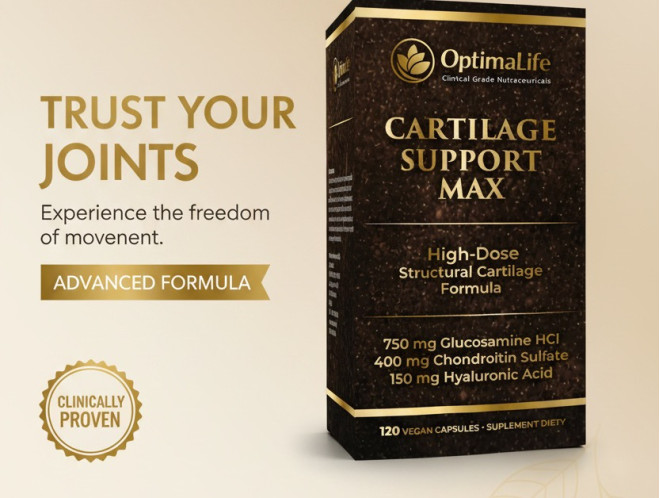
Among the ingredients with the strongest biochemical rationale in this context are type II collagen (cartilage's main structural protein), hyaluronic acid (responsible for the viscosity and hydration of joint fluid), and chondroitin sulfate, which slows the breakdown of the cartilage matrix. MSM (organic sulfur) is increasingly discussed too, as a cofactor supporting connective tissue synthesis.
A realistic view matters here: no supplement will fully rebuild badly worn cartilage in a few weeks. Their role is to supply raw material and support the body's own regenerative processes — combined with physical activity appropriate to the joint's condition and, where possible, reducing excess mechanical load.

19/03/2026
Modern supplement manufacturers increasingly turn to advanced delivery technology to improve the real-world efficacy of their formulas. One of them is extended-release micropellet technology — a metho..

14/05/2026
Glucosamine and chondroitin are probably the most recognizable pairing in joint supplements — and among the most studied. Both occur naturally in joint cartilage: glucosamine as a building block for g..
10/07/2026
Joint health isn't just about supplementation — it's also about the daily habits that either ease the load on your joints or add to it. Here are five changes that cost little effort but can make a rea..

